Overview
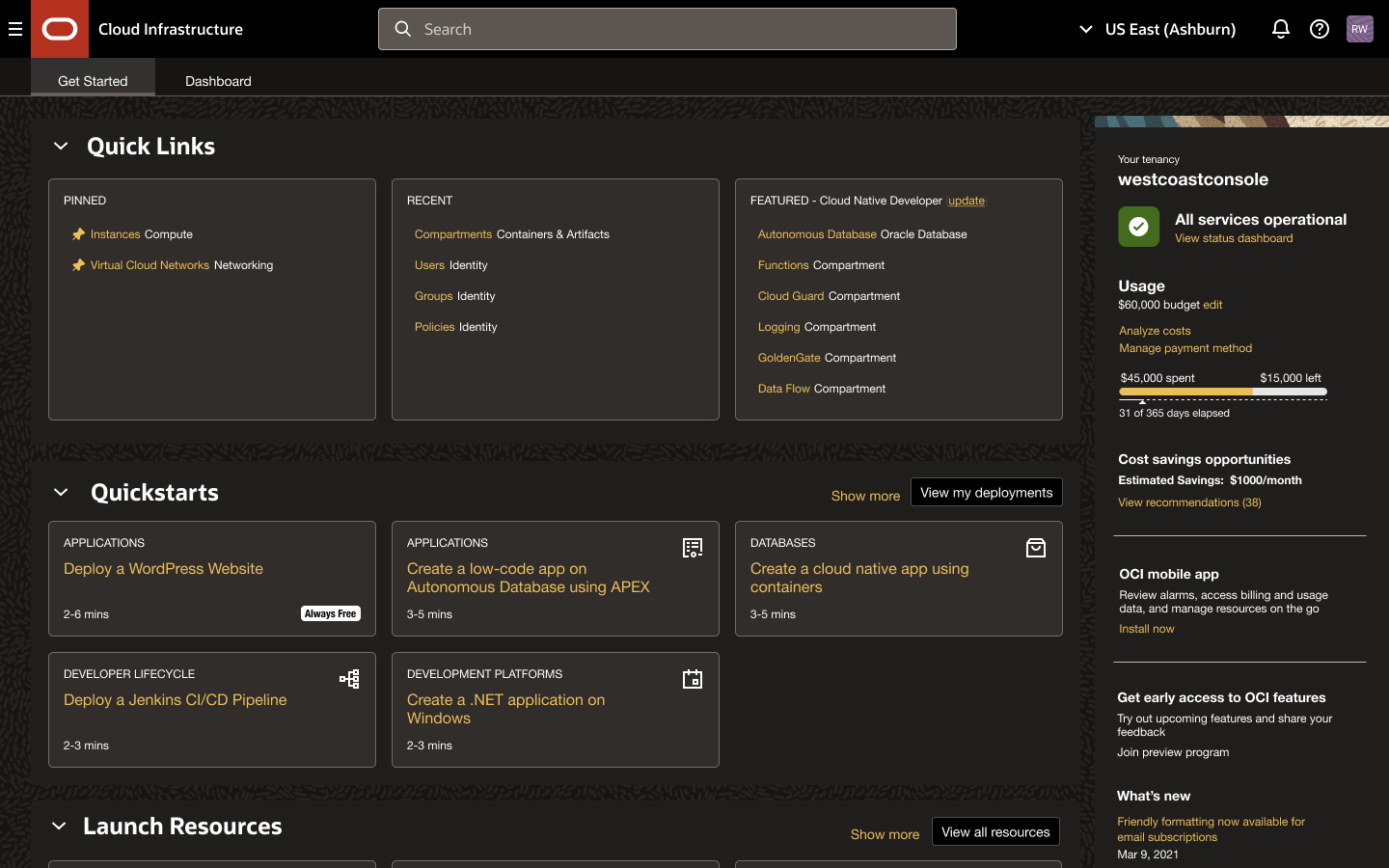
OCI's console was moving beyond the proof of concept phase in the market. Oracle had launched a brand new styleguide for all their products and marketing. The mismatch between what OCI and Oracle were offering had to end and OCI needed to align itself with Oracle's main consolidation by moving to Redwood. I was tasked with figuring out how we were going to accomplish this and improve upon global navigation at the same time.
Growing pains
We all have experienced that "new design" where everything new is just confusing and not intuitive. This only breeds frustration and confusion as the user tries to complete tasks they used to know how to do. It is imperitive that new designs don't destroy learned behaviors but reward them and employ delightful discoverabilites. This was the task that was ahead of me. I needed to take how our users were engaging with the Console and move that into Redwood while balancing their known workflows. Our system needed to maintain their productivity, not destroy it.
Exploration
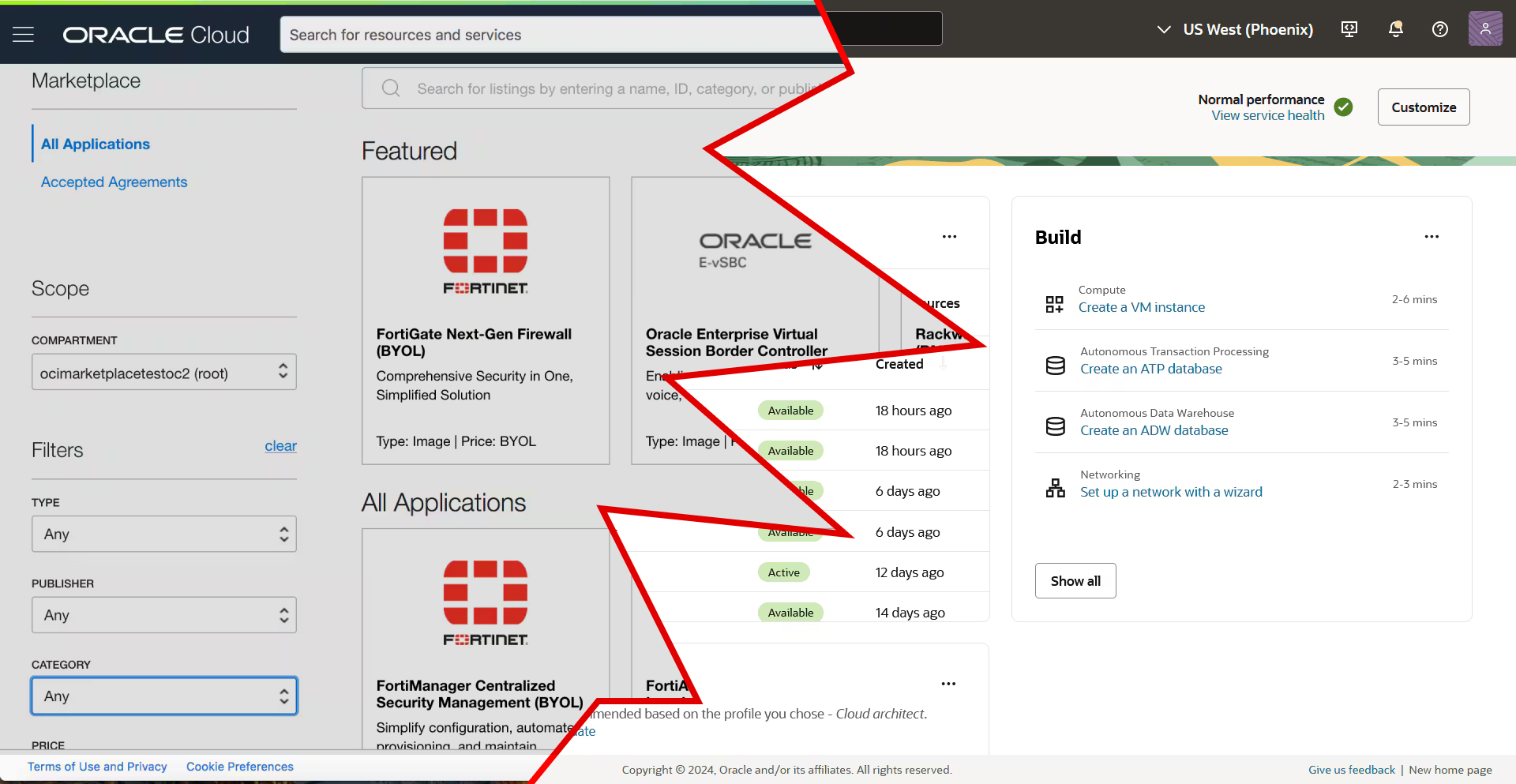
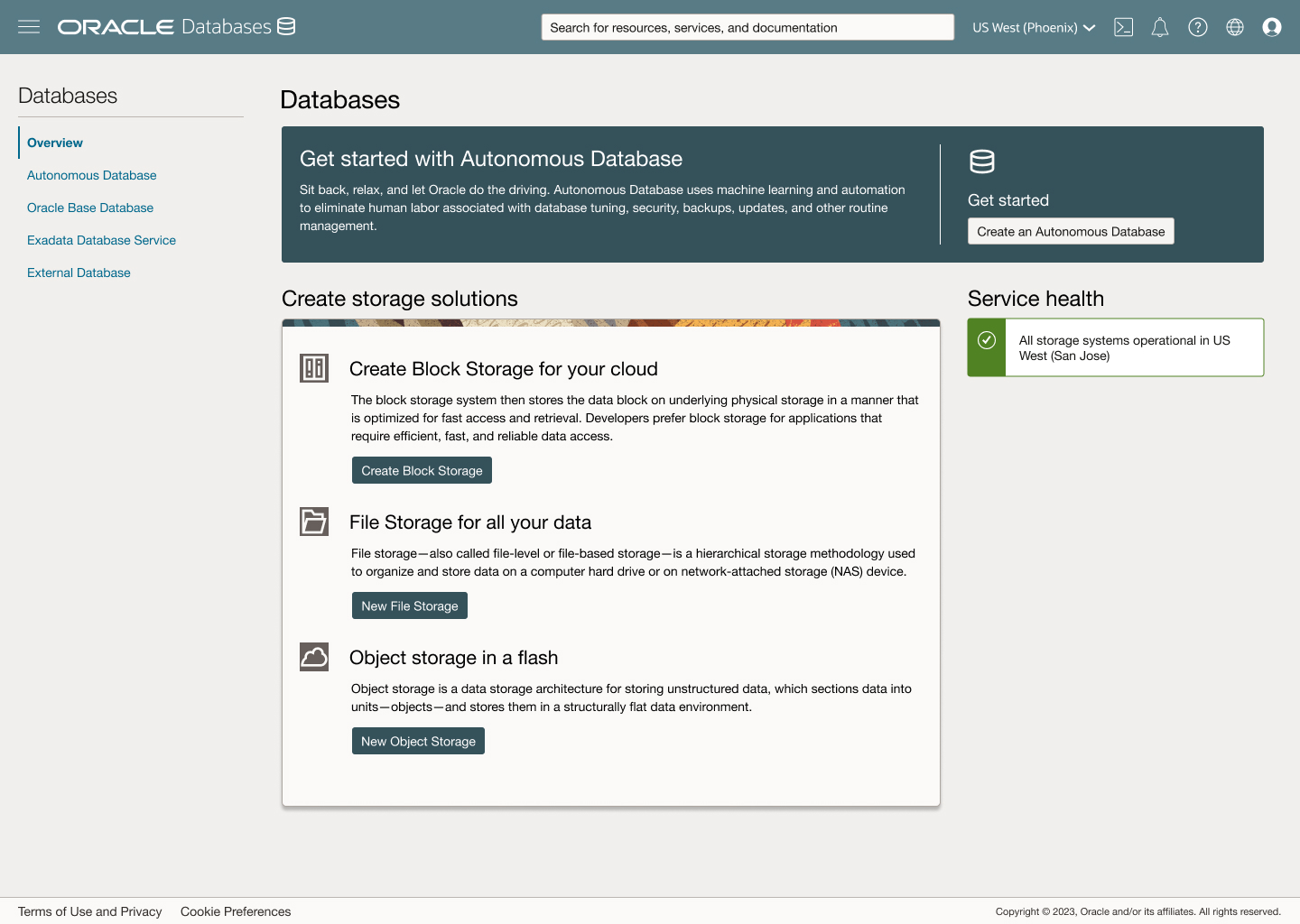
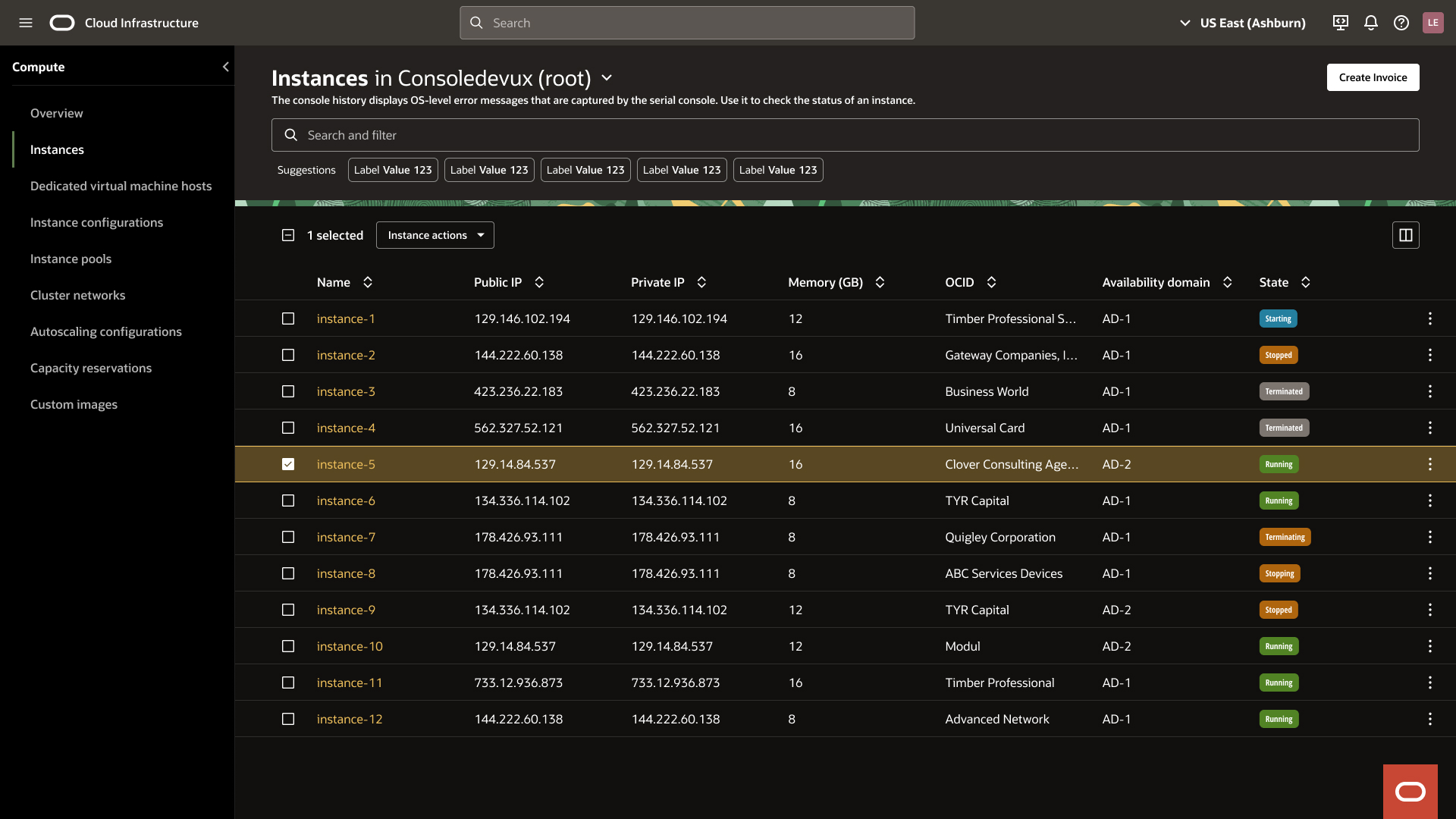
As designers we don't always get the time we want to explore and try out different solutions. When we do, we take advantage of it. In this exploration phase I wanted to look at expandable menus, color as it pretained to location, giving each service its own branding, and even trying out a dark theme for the console. When exploring design ideas, there aren't bad ideas, just ones you don't pursue. Below were some of the concepts I toyed with.
Usability testing
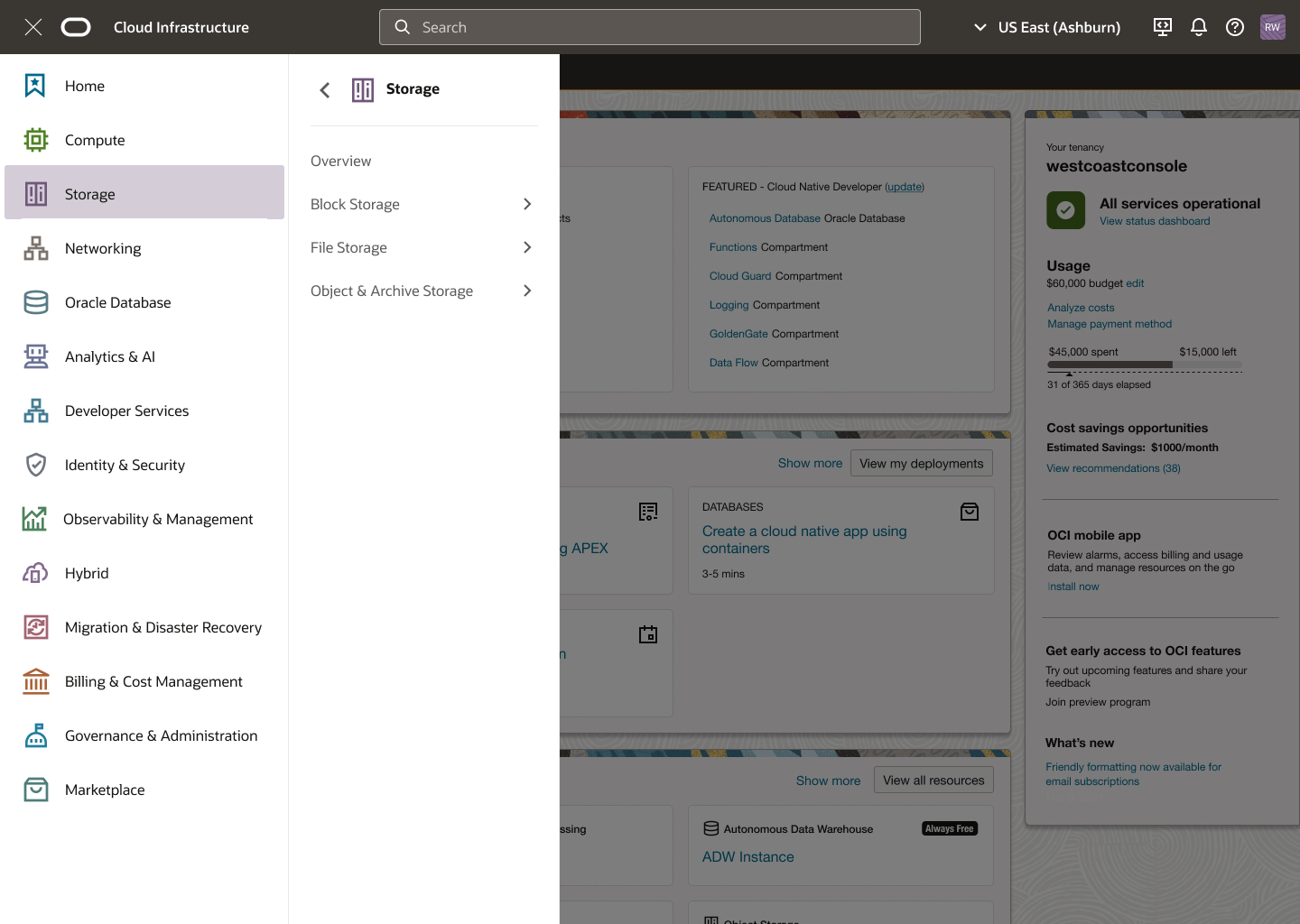
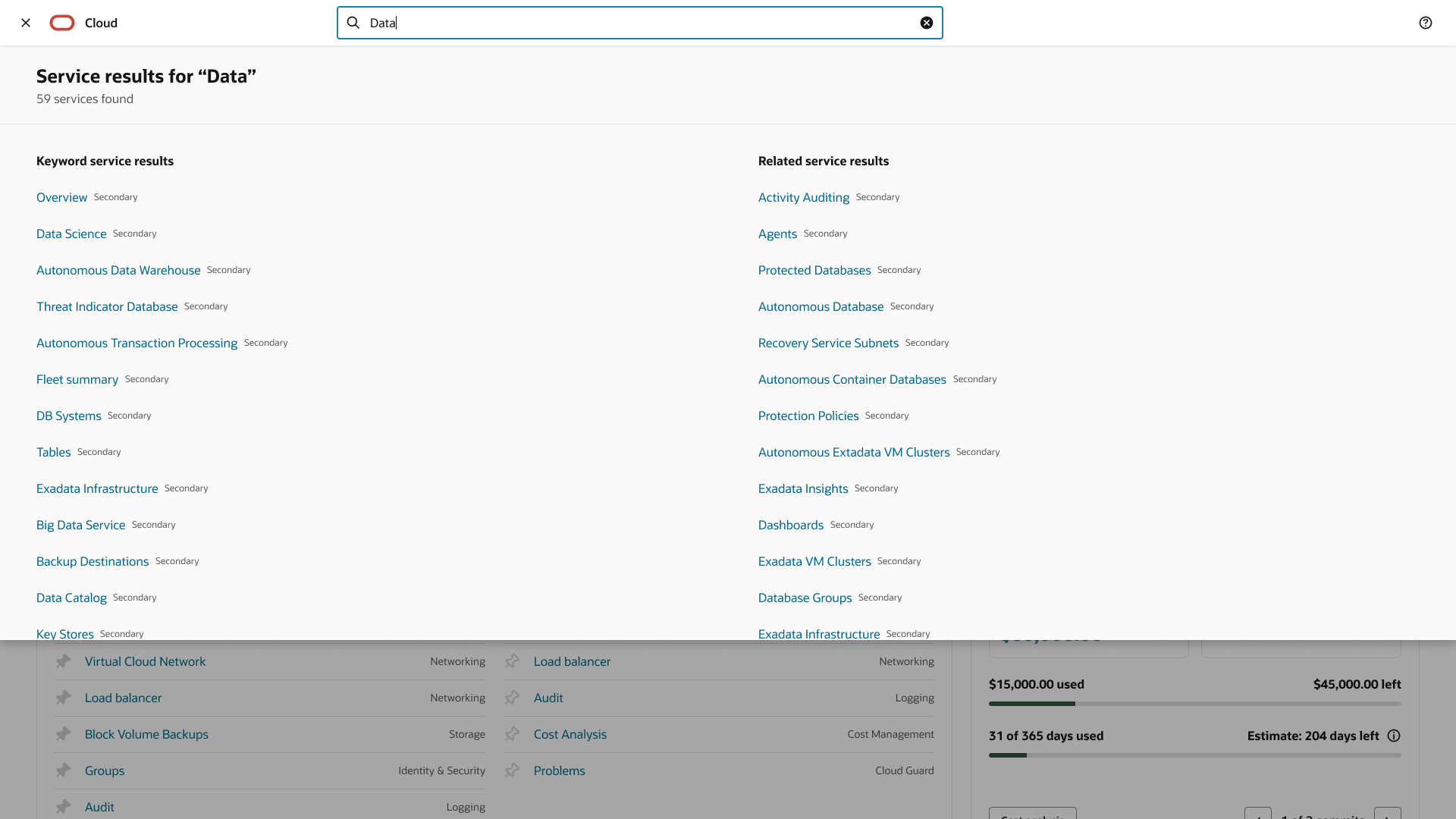
I believe that all good designers remove ego from their designs. The right answer is given to us by the user. A usability test is paramount to finding that solution. I engaged many participants to conduct a qualitative usabilty test to see what was working for them and what wasn't. Afterwords I had an idea I could expand upon (see below).
Refining the Redwood styles
Feeling on the right track after the usability test, it was time to expand the design to all aspects of navigation. Dropdown menus, mega-menus, side panels, everything that had an element of navigation across the console. It needed to feel shiny and new while maintaining it's familar behaviors. Each avenue of navigation needed to be identified and paired with a component on the react library we were using. The look might be Redwood, but the behavior had to be react. Threading the needle so to speak.
Preparing for developer handoff
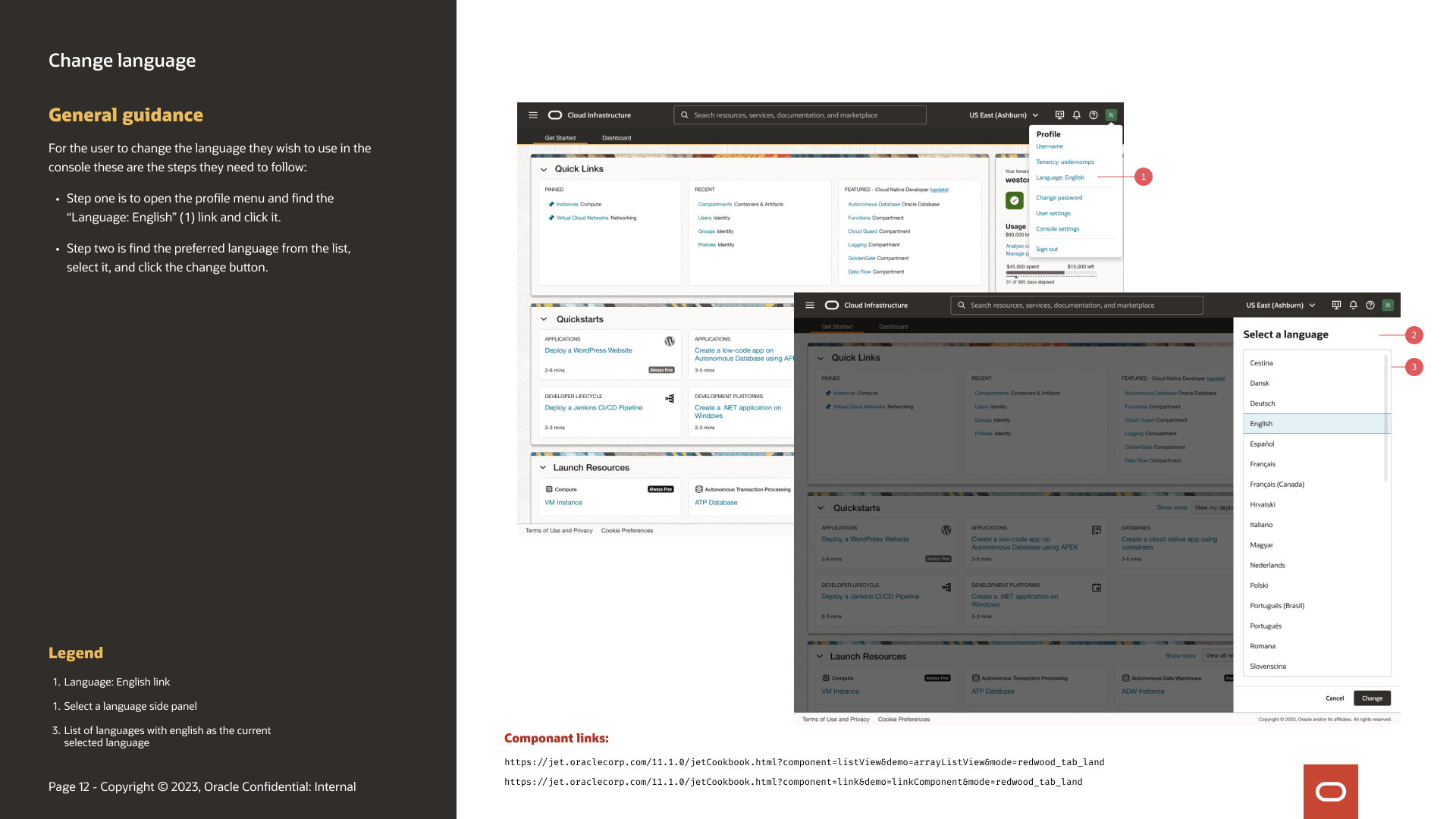
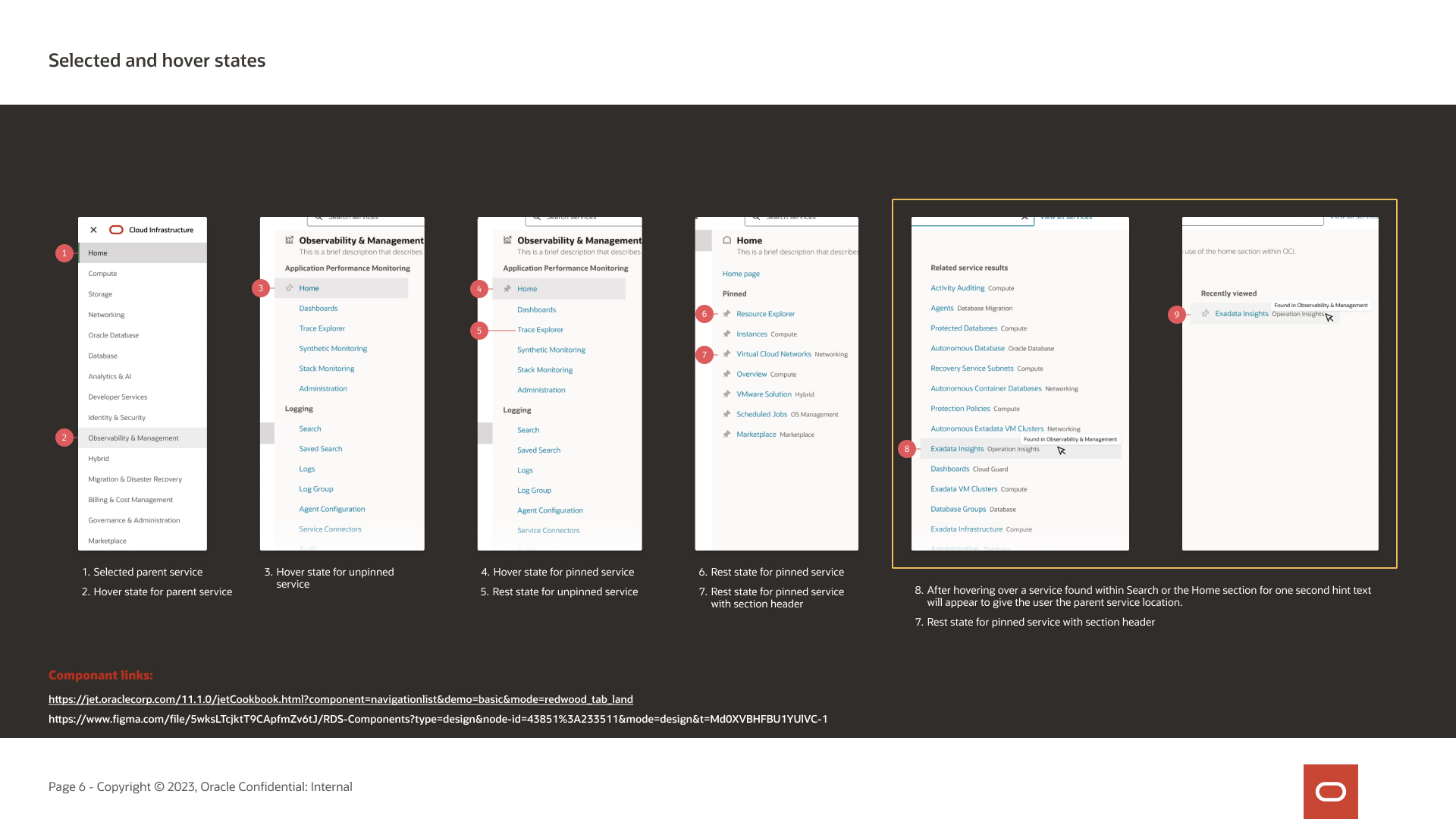
Once the solution was locked in and the behaviors mapped to mimic the react library, it was time to prepare a guiding document for the developers to engage with. Just like cooking, this would be the recipe to guide the developers to make the components necessary for Redwood and maintain consistency across the console product. Doing this right would also mean that there would be consistency across Oracle products as a whole. An example of the prepared document for developers is below.
The business impact
When describing to people I meet that don't understand what a user experience designer does, I often point to the very old Word, Excel comparison. Does using Word and Excel feel like they have commonalities? Do they do complete different kinds of work? Well if the answer is yes to both then you have a good example of where user experience design is successful. Launching this redesign of the Oracle Cloud Console made the product fall inline with other Oracle products across the company's suite of solutions. OCI was no longer in the Wild West of cloud computing. With this redesign we had matured and landed in the top three of cloud computing providers. See the full design hand-off documentation here.